

Choosing the Right Generator for Cold Storage and Warehouses in Pakistan

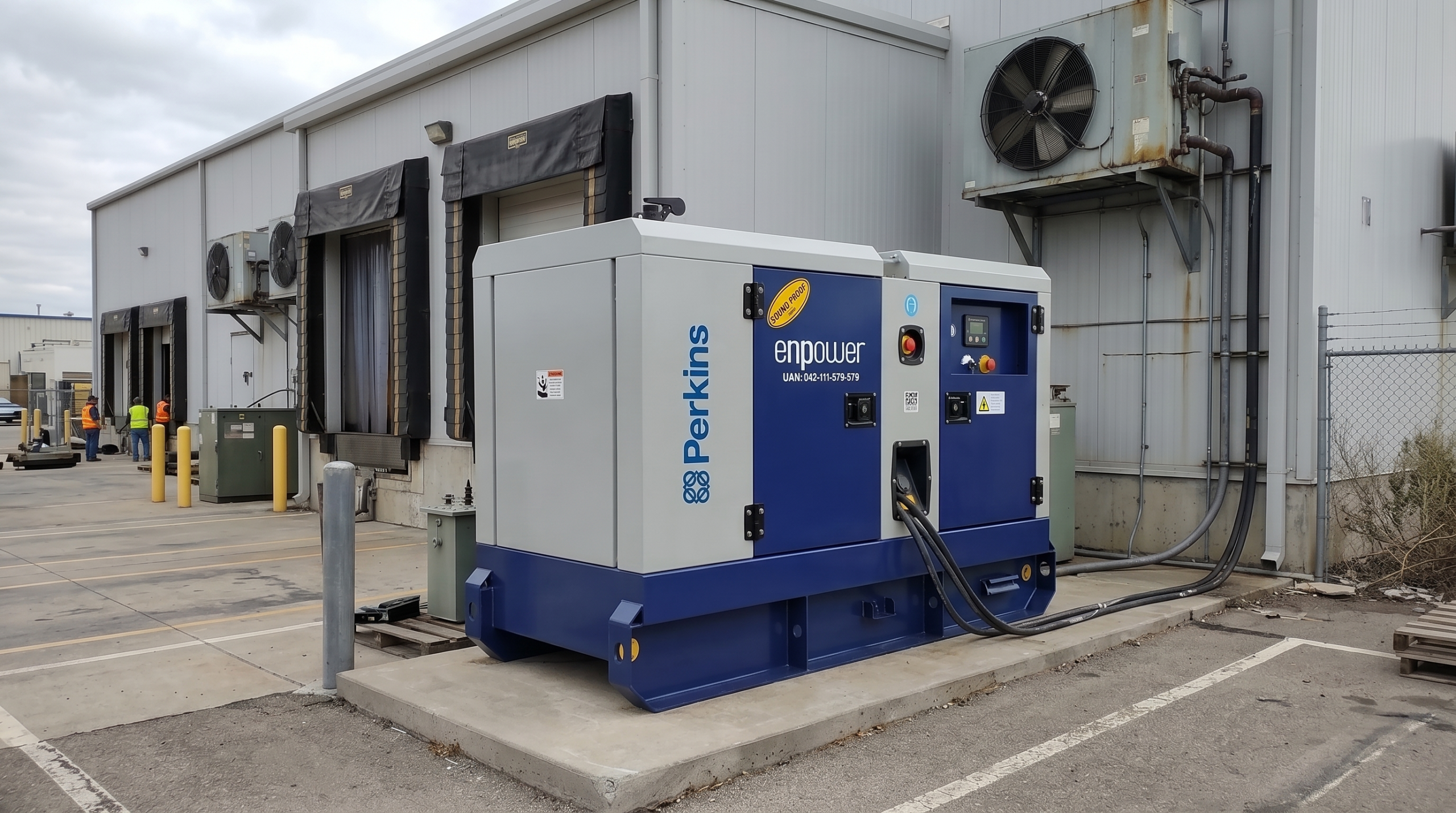
Imagine a cold storage unit packed with meat, dairy, or frozen goods — and then the grid drops. Every minute without refrigeration can affect product quality and increase the risk of financial losses. For warehouses and cold storage facilities across Pakistan, a properly sized diesel generator can help keep essential refrigeration and warehouse equipment running during power outages.
What makes this trickier than picking a generator for a typical office or shop is the nature of the equipment involved. Refrigeration compressors, cooling fans, and circulation pumps don’t behave like ordinary electrical loads — and getting the sizing wrong can mean a system that looks adequate on paper but fails the moment it’s actually needed.
This guide walks through how to size a generator for cold storage and warehouse use, what features actually matter, and what to keep in mind during installation.
Why Do Cold Storage Facilities in Pakistan Need a Diesel Generator?
Refrigeration isn’t just about keeping things cool — it’s about holding a precise temperature range for products that spoil quickly outside it. The moment power cuts out, that temperature starts drifting, and how fast it drifts depends on things like insulation quality, how full the storage room is, ambient conditions, and simply how long the outage lasts.
A generator sized and installed correctly closes that gap before it becomes a problem, keeping refrigeration equipment running through an outage instead of racing against a clock.
Warehouses have their own list of essentials too — lighting, security systems, computers and networking gear, ventilation, access control, and often material-handling equipment. Mapping out exactly which of these absolutely need to stay powered is the first real step toward sizing a backup system that works.
How to Calculate the Right Generator Size
Here’s a mistake that trips up a lot of buyers: simply adding up the running wattage of every device and assuming that total is the generator size they need. Cold storage setups involve electric motors that pull a lot more current the instant they start than they do once running — and ignoring that detail is where undersized systems come from.
1. Calculate the Essential Electrical Load
Start with a clear list of what absolutely has to keep running during an outage. In a cold storage facility, that typically includes refrigeration compressors, condenser fans, evaporator fans, circulation pumps, temperature monitoring systems, and lighting.
For a warehouse, the list usually looks more like essential lighting, security equipment, networking infrastructure, ventilation, and whichever material-handling machines can’t be paused.
Just as important: separate what’s truly critical from what can safely stay off during an emergency. Not everything needs to be on the backup circuit.
2. Consider Compressor Starting Current
This is the part that catches people off guard — refrigeration compressors can demand significantly more current the moment they start up compared to their steady running draw. If the generator isn’t sized to absorb that surge, you’re looking at voltage drops or outright overload, right when you need the system most.
The compressor’s nameplate data, starting characteristics, and starting method all need to be checked. Sizing the generator means accounting for both the ongoing load and that initial startup spike from every connected motor.
Soft starters or variable-frequency drives on the compressors can reduce the starting surge, so ask your refrigeration contractor what is fitted. For more on motor starting loads, see our guide to choosing a generator for commercial HVAC and 3-phase systems.
3. Understand kW and kVA Ratings
Generator output is rated in kW and kVA. The right figure depends on total load, power factor, motor starting behaviour, site conditions and future growth, so have an engineer confirm it before you buy. Our Diesel Generator Buying Guide explains the steps in more detail.
Important Features for Cold Storage and Warehouses
Automatic Transfer Switch (ATS)
An ATS is essentially the system’s first responder — it senses when the main power supply has failed and shifts the load over to the generator once it’s up and running at a stable output.
Pairing this with an Automatic Mains Failure (AMF) controller makes the whole handover largely automatic. It’s also worth sequencing the restart of refrigeration units so multiple compressors don’t all try to kick on at the exact same moment, which can strain the system unnecessarily.
Fuel Capacity and Runtime
How much fuel you need on hand comes down to a mix of factors — the generator’s size, the load it’s carrying, its consumption rate, and realistically how long outages in your area tend to last.
It pays to work out in advance how long your critical systems need to stay powered through a typical outage, and to plan fuel storage and refuelling logistics around that number rather than figuring it out mid-crisis.
For help estimating consumption and storing fuel safely, see our posts on diesel generator running costs and safe diesel fuel storage.
Prime and Standby Ratings
Standby generators are meant for emergency backup during outages. Prime-rated generators are meant for long or regular running where the grid is unreliable. If outages at your site are frequent or last many hours, choose a rating that matches that running time. Our guide to which type of generator suits your use covers the difference, and the Baudouin sizing guide explains duty ratings in detail.
Generator Installation and Setup
A generator that’s correctly sized still needs a correctly designed installation to actually perform. That means proper ventilation, enough airflow for cooling, safely routed exhaust, and enough clearance around the unit for maintenance work.
Pakistan’s summer heat is worth factoring in too — high ambient temperatures can affect how a generator performs, so site conditions deserve a place in the capacity-planning conversation, not just an afterthought.
On the electrical side, a sound installation includes appropriately rated cables, circuit breakers, proper earthing, and transfer equipment, followed by commissioning and load testing before the system goes live.
For cold storage specifically, temperature alarms paired with a clear staff response plan make a real difference — knowing within minutes that refrigeration has stopped is far better than finding out hours later.
What to Check Before Buying for a Cold Store
Before settling on a purchase, it’s worth comparing more than just price — look at generator ratings, fuel consumption, control system quality, warranty terms, spare-parts availability, and how responsive after-sales support actually is.
If you’re comparing backup power options for your facility, review our diesel generator range for available models and specifications. Enpower works with commercial and industrial clients on generator solutions, and a proper site assessment helps pin down the right capacity and configuration for a specific warehouse or cold storage setup. To get a load assessment for your cold store or warehouse, contact Enpower.
It’s also worth thinking ahead — adding more refrigeration units or warehouse machinery down the line will raise the electrical load, which can shift what capacity you actually need.
For the general buying checklist, see our Diesel Generator Buying Guide.
Frequently Asked Questions
What size generator is suitable for cold storage in Pakistan?
It depends on the compressors involved, their starting current, any auxiliary equipment, and exactly what needs to stay operational during an outage. There’s no shortcut around a proper load assessment here.
Is an ATS useful for warehouse backup power?
Yes — an ATS shifts the right electrical load onto the generator automatically when power fails, cutting out the need for someone to manually flip switches during an emergency.
How can businesses improve generator reliability?
Routine servicing, battery checks, fuel management, periodic load testing, and keeping an eye on electrical connections all go a long way toward catching problems before they turn into a breakdown.
Should all compressors start at the same time on generator power?
No. Staggering the restart of compressors keeps the starting surge lower and avoids overloading the generator. A control panel can set the delay between starts.
Conclusion
A well-matched generator for cold storage can be the difference between a facility riding out a power cut without issue and one that suffers real losses. Getting the sizing right, accounting for compressor startup demands, choosing suitable transfer controls, installing it properly, and sticking to a maintenance routine — all of it matters.
Enpower can help you choose a diesel generator for cold storage based on what a facility actually needs operationally. The right system ultimately comes down to real load data, realistic outage expectations, and where the business plans to be down the road.